

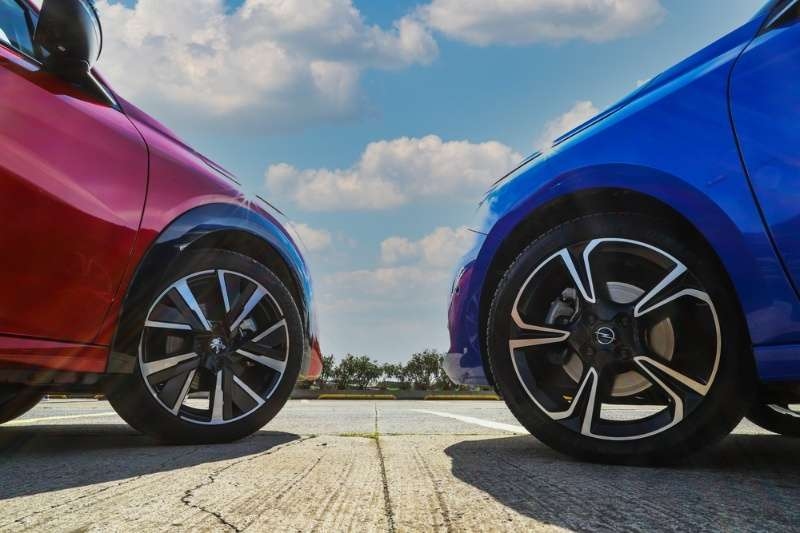
Japanese vs German cars is one of those comparisons that keeps coming back, no matter how many years pass. People want clarity, not confusion. They want to know what actually works in real life.
In this blog, you will find out everything about Japanese vs German cars and decide which is the better option.
Must Read: Vintage Import Vehicles Collecting Guide to Best Models
Japanese vs German cars differ in ways that become clear only after real use. On paper, everything looks good. But daily driving tells a different story.
Some vehicles feel easy from the first day. They respond smoothly, demand little attention, and settle into routine without effort. Others feel sharper. More alert. They respond quickly, and sometimes they expect the driver to stay just as alert.
That difference is not about right or wrong. It is about preference.
Japanese cars feel calm in traffic, while German cars excel on the highways. These two experiences begin to form drivers' opinions. That is where a proper car brand comparison begins to matter.
Looking at an import car comparison is not just about features. It is about understanding how vehicles behave over time.
Vehicles are not built the same way across regions. Some are made to last quietly in the background. Others are made to stand out when driven. This difference shapes the entire ownership experience, even if it is not obvious at first.
Roads are not always smooth. Traffic is not always predictable. A vehicle that feels perfect in one situation may feel demanding in another. This is why import car comparison becomes important before making a decision.
The first few months can feel great with almost any vehicle. The real story begins later. Some vehicles stay consistent. Others start asking for more attention. That shift is what most buyers do not expect, but it matters a lot.
The discussion around performance vs reliability cars is not new. But it is still relevant because drivers want different things.
There are drivers who enjoy control. They notice how the steering responds, how the vehicle holds the road, and how it behaves at higher speeds. For them, driving is not just about the movement but an experience.
Then there are drivers who want things to just work. No surprises and no sudden issues. A smooth, predictable drive every day. That peace of mind often matters more than excitement.
Not everyone wants extremes. Some drivers look for balance. A vehicle that feels stable but still responsive when needed. That is where the idea of performance vs reliability cars becomes more practical than theoretical.
You can check below to understand the key factors in Toyota vs BMW reliability:
Brands like Toyota are known for using simpler mechanical systems that are easier to manage over time. This approach reduces the chances of unexpected issues and helps maintain steady performance in daily driving conditions.
Brands like BMW focus more on advanced systems and refined performance. These vehicles often deliver a sharper driving experience, but they usually require more attention to maintain that level of performance over time.
Reliability is not just about the design; it also depends on how the vehicle is maintained. Japanese vehicles tend to remain stable even with basic care, while German vehicles respond better when maintenance is done consistently and carefully.
This is where things get interesting. Because numbers and features cannot explain everything.
Some vehicles feel relaxed. You sit, you drive, and everything feels natural. No effort. No tension. It just works.
Then there are vehicles that feel sharper. They react faster. They give more feedback. Some drivers love that. Others find it tiring after a while.
Comfort also changes depending on design. One type absorbs the road better. The other keeps you connected to it. Neither is wrong. It just depends on what feels right after a long drive.
A good car brand comparison is not about picking sides. It is about understanding what fits best.
If the vehicle will be used every day, comfort and ease become important. Long drives, traffic, parking—all these small things add up over time and affect the experience.
Some people drive calmly. Others enjoy speed and control. A vehicle that matches driving style feels better in the long run. Ignoring this often leads to regret later.
First impressions can be misleading. A vehicle that feels impressive at the start should also remain stable after months of use. That is what makes a decision truly practical.
This question sounds simple, but the answer depends on the driver.
Some drivers want a vehicle that blends into their routine. No stress. No constant attention. Just smooth, reliable performance every day.
Others want something more active. A vehicle that responds quickly and feels alive on the road. For them, driving is something they enjoy, not just something they do.
Most people fall somewhere in between. They want comfort, but they also want a bit of control. The better option is the one that matches their lifestyle, not just their expectations.
Japanese vs German cars offer two different driving experiences shaped by design and purpose. One focuses on ease and consistency, while the other focuses on control and response. The better choice depends on how the vehicle fits into daily life and what the driver truly values.
For regular use, many drivers prefer vehicles that feel simple and predictable. These vehicles reduce stress during daily driving and remain consistent over time. However, some drivers may still prefer a more responsive driving experience depending on their comfort level.
An import car comparison helps in understanding how different vehicles behave in real situations. It shows differences in driving feel, maintenance needs, and long-term experience. This makes it easier to choose a vehicle that matches daily needs.
Performance vs reliability cars differ mainly in focus. Some vehicles are designed for strong road performance and quick response, while others focus on steady and trouble-free use. The right choice depends on what the driver values more in daily driving.
This content was created by AI