

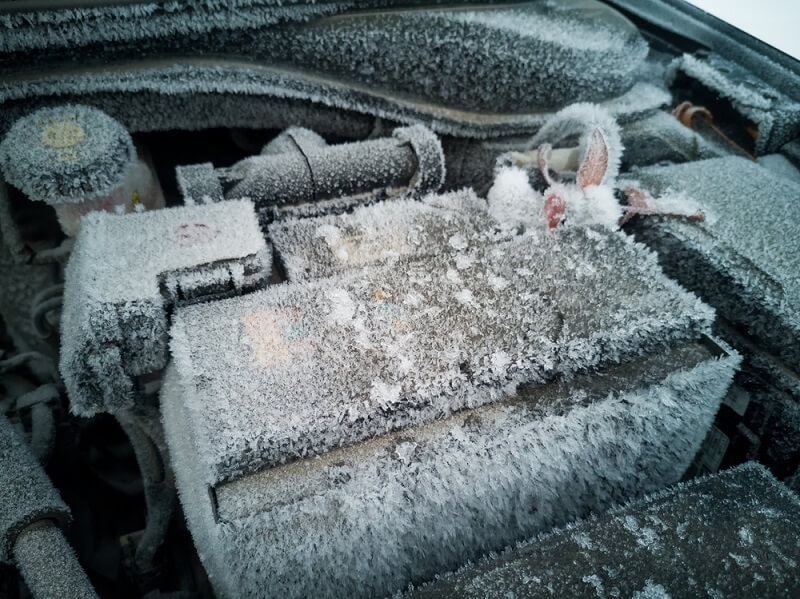
Cold weather has a way of exposing issues that stay hidden the rest of the year. One of the most common is battery failure. A car that starts fine all summer can suddenly refuse to turn over once temperatures drop. This is not bad luck. It is how a cold weather car battery reacts to low temperatures.
Every winter, drivers deal with dead batteries, slow starts, and unexpected breakdowns. Most of these situations are avoidable. Understanding what cold does to a battery, how to test it, and how to protect it gives you a real advantage before winter sets in.
A car battery works through chemical reactions inside the battery case. Cold temperatures slow those reactions down. When the chemical process slows, the battery produces less power.
At the same time, the engine needs more energy to start. Cold thickens engine oil, increases resistance in moving parts, and forces the starter motor to work harder. The result is simple. The battery has less power, and the engine demands more of it.
This is why battery performance in cold weather drops so quickly. Even a battery that seemed fine in warm conditions can struggle once temperatures fall.
A cold weather car battery is under stress every time you start the engine in winter. Short trips make this worse. Cold starts use a large amount of energy, and short drives do not give the alternator enough time to fully recharge the battery.
Over time, this creates a pattern. The battery stays partially charged. A partially charged battery is weaker in cold weather and more likely to fail.
Battery performance in cold conditions also depends on age. Most car batteries last three to five years. As batteries age, their ability to hold and deliver power drops. Cold weather speeds up that decline.
Also check: Suspension Import Vehicle Repair Upgrade and Handling Guide
The car battery freezing temperature is not the same for every battery. The freezing point depends on how charged the battery is.
A fully charged battery contains a higher concentration of sulfuric acid. That mixture has a much lower freezing point than plain water. In practical terms, a healthy, fully charged battery is unlikely to freeze in normal winter conditions.
A discharged battery is different. As the battery loses charge, the electrolyte becomes more water-heavy. Water freezes at 32°F. This means a weak or discharged battery can freeze at or near that temperature.
When a battery freezes, the electrolyte expands. This expansion can crack the battery case or damage the internal plates. Once that happens, the battery is usually beyond repair.
The cold cranking amps rating is one of the most important numbers on a battery, especially for winter driving.
Cold cranking amps, or CCA, measure how much current a battery can deliver at 0°F for 30 seconds while maintaining usable voltage. This test reflects real cold-start conditions.
A higher cold cranking amps rating means the battery can deliver more power when temperatures are low. This matters because cold engines need more power to start.
Using a battery with too low a CCA rating increases the chances of slow starts or no starts in winter. It also puts extra strain on the starter motor and electrical system.
The right cold cranking amps rating depends on your engine size and climate. Vehicles in colder regions benefit from higher CCA ratings, even if the manufacturer minimum is lower.
A winter battery test should be done before cold weather becomes consistent. Waiting until a freezing morning often means discovering the problem at the worst possible time.
A proper winter battery test checks more than voltage. A battery can show acceptable voltage and still fail under load. Load testing simulates the stress of starting the engine and gives a clearer picture of battery health.
Most auto parts stores offer free battery testing. These tests measure internal resistance and power delivery. If the test shows weak results, replacing the battery before winter is usually the smarter choice.
If your battery is more than three years old, a winter battery test is especially important. Age and cold weather combine to reduce reliability quickly.
Suggested Read: Finding Import Car Parts Made Easy for Every Driver
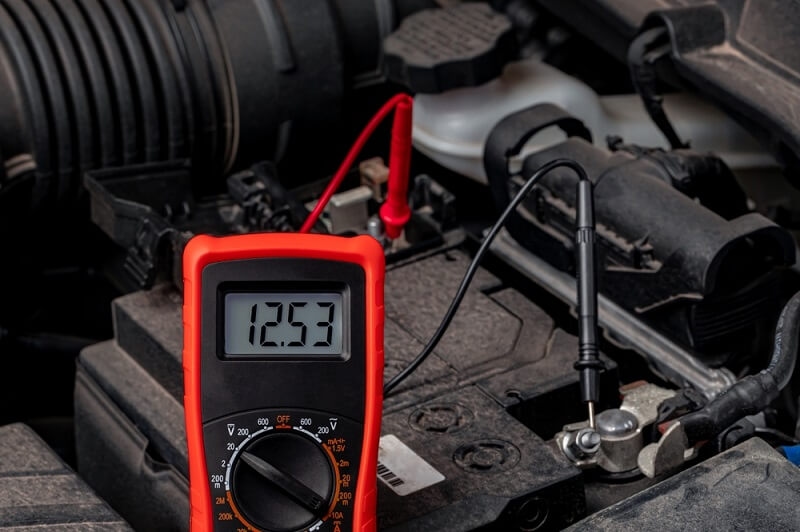
Battery performance in cold weather is affected by how the vehicle is used day to day.
Frequent short trips, heavy use of heaters and defrosters, and long periods of sitting without driving all reduce battery charge over time. Cold weather slows recharging, so the battery never fully recovers.
Battery performance in cold conditions improves when drivers take longer trips when possible, reduce unnecessary electrical load, and avoid letting the vehicle sit unused for extended periods.
Small habits make a difference over the course of a winter.
Learning how to prevent battery from freezing does not require special tools or expensive upgrades. It comes down to basic care and awareness.
Practical steps include:
The fully charged battery provides protection against freezing temperatures while enabling more powerful cold starts. The strategies that protect batteries from freezing also provide two benefits by decreasing equipment damage and increasing battery lifespan.
People who adopt these strategies will experience reduced winter battery problems and less frequent unexpected vehicle failures.
Not all batteries are designed to perform the same in winter. When replacing a battery, cold performance should be a priority.
Check your owner’s manual for the recommended cold cranking amps rating. In colder climates, choosing a battery that exceeds the minimum rating provides extra margin when temperatures drop.
Advanced battery designs often handle battery performance in cold weather better than basic models. While price matters, winter reliability matters more when you need your car to start on a freezing morning.
Discover More: Decoding Import Car Diagnostic Codes & Hidden Error Meanings
Cold weather does not kill batteries overnight. It exposes weak ones. Understanding cold weather car battery behavior, knowing the car battery freezing temperature risks, and paying attention to cold cranking amps rating gives you control instead of surprises.
A simple winter battery test and basic maintenance steps go a long way toward reliable winter driving. Battery performance in cold conditions improves when preparation replaces guesswork.
Car battery freezing temperature depends on charge level. A fully charged battery resists freezing, while a weak or discharged battery can freeze near 32°F and suffer permanent damage.
Cold cranking amps rating shows how much power a battery can deliver at 0°F. Higher ratings improve cold starts and reduce strain on the electrical system.
To prevent battery from freezing, keep it fully charged, park in sheltered areas, clean terminals, and use a battery maintainer if the vehicle sits unused.
This content was created by AI